

In every school, and especially in international ones, learning goes far beyond books and exams. Students move between cultures, adapt to new systems, and learn in different languages. Along the way, they face the same challenges everyone does – stress, self-doubt, friendship struggles, and pressure to succeed. That’s why mental health is such a vital part of learning.
Good mental health isn’t about being happy all the time. It’s about balance – being able to manage emotions, bounce back from challenges, and keep moving forward when things get tough. When we feel calm, safe, and supported, our minds are ready to learn and connect. But when we’re anxious or overwhelmed, it becomes much harder to focus, remember, or stay motivated, no matter how capable we are.
How Emotions Shape Learning
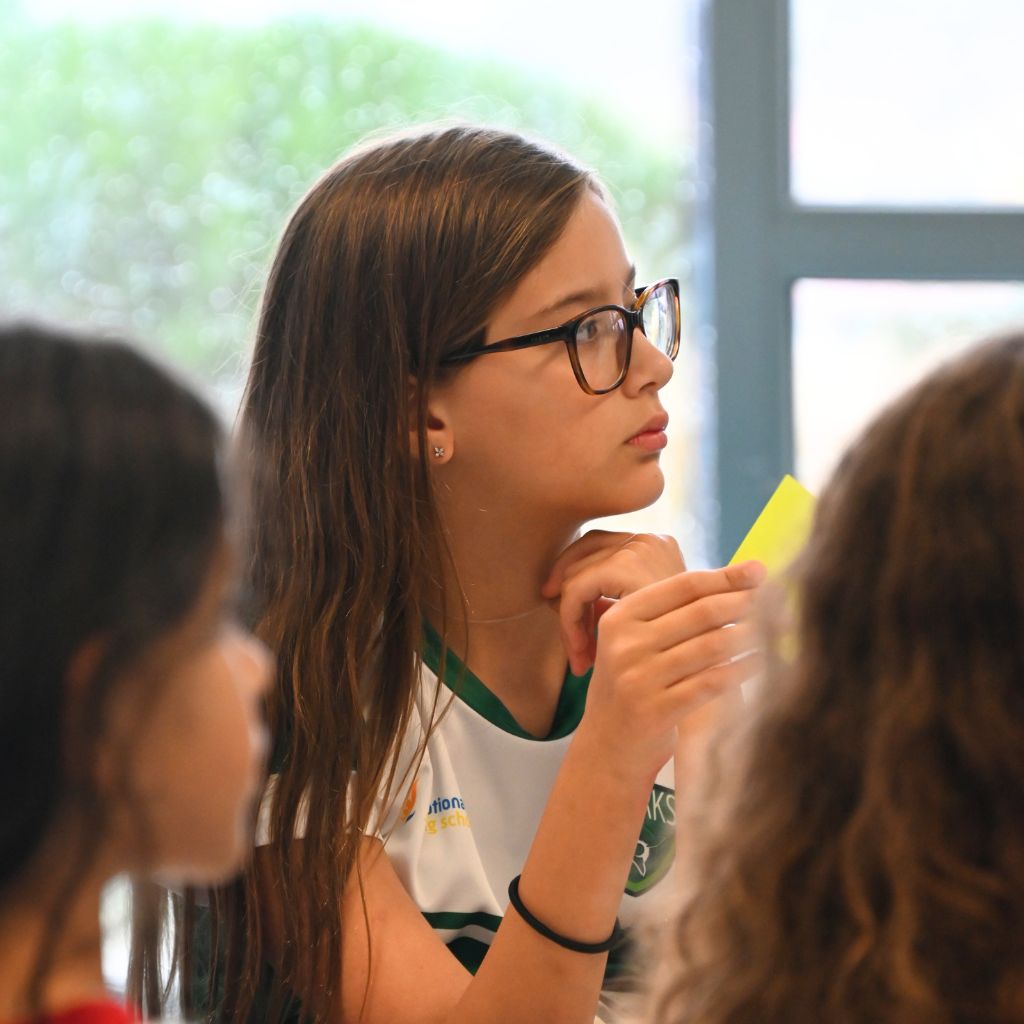
Our brains learn best when we feel emotionally safe. Stress and anxiety activate the brain’s “alarm system,” diverting energy from thinking and concentration toward coping and self-protection. A student who seems distracted or unmotivated might actually be struggling with worry or fear. Recognizing that link between emotion and learning helps us respond with understanding, not frustration.
For many in international schools, constant change, new classmates, new teachers, new countries, can be both exciting and exhausting. That’s why it’s so important to create a school environment where everyone feels seen, heard, and supported.
Building a Supportive Community
Caring for mental health doesn’t mean lowering expectations. It means helping everyone perform at their best. We can all do something to support it, by showing kindness, listening without judgment, and encouraging open conversations about how we feel.
Simple habits make a big difference: taking breaks, sleeping well, talking to someone you trust, and remembering that it’s okay not to be okay sometimes.
Teachers can help students find strategies that build confidence, resilience and improving wellbeing, while parents can model balance at home by valuing rest as much as achievement.
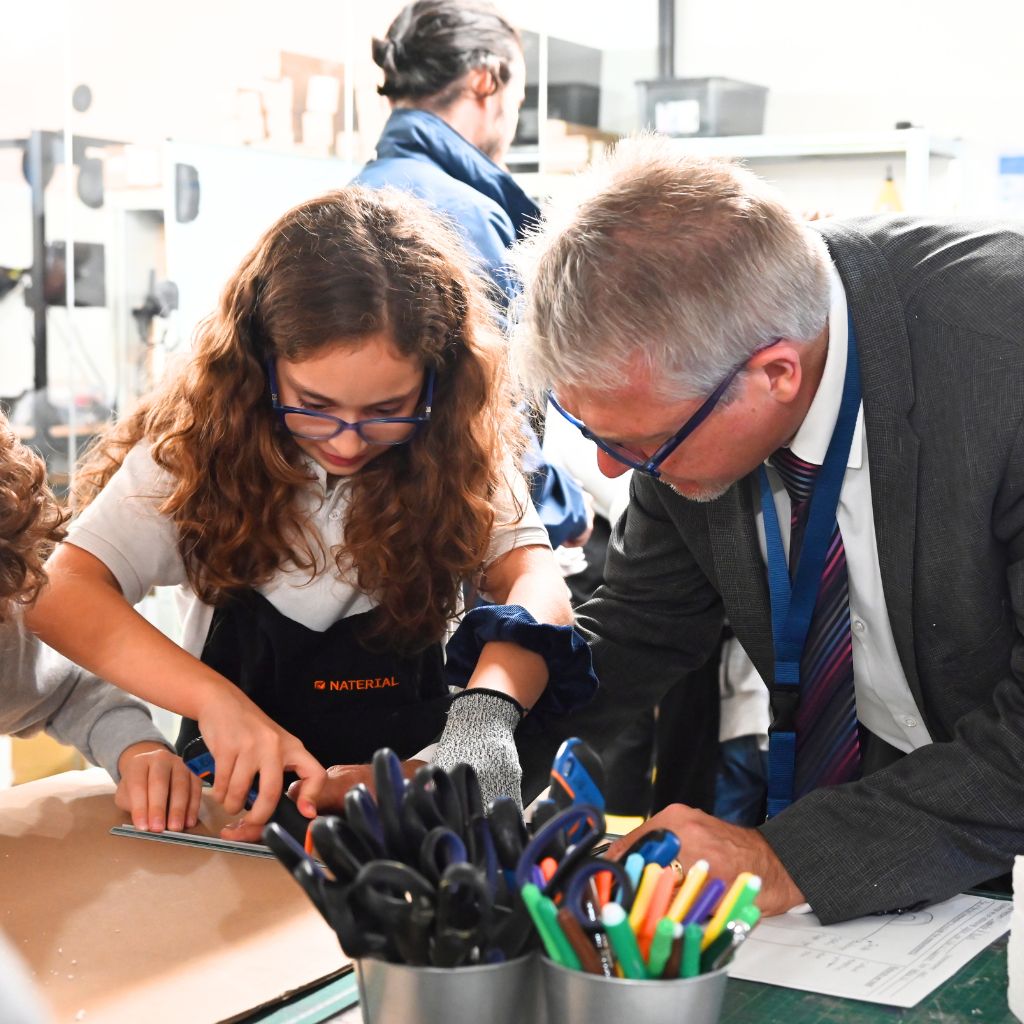
In a connected community like ours, mental health is everyone’s responsibility. When students, parents, and teachers work together to notice early signs of stress and respond with empathy, we create a space where learning and wellbeing grow side by side. Because in the end, a balanced mind doesn’t just help us learn better, it helps us live better too.