21st century parents with school-aged children are the most well-informed group that any international school has ever seen. They have the wealth of information available online, they have AI, they have parent WhatsApp groups, social media groups with recommendations, educational consultants, reviews and so on.
When it comes to Lisbon and Portugal in general, the international school market has grown astronomically in the past 15 years, and it is not going to stop any time soon. Portugal, and Lisbon in particular, are as popular as ever for expats.
The Overwhelmed Parent
However, when it comes to choosing an international school, the two extremes of the spectrum are; either parents know exactly what they want, in terms of location, curriculum and facilities, or, they can feel completely lost with the overwhelming number of schools and curricula to choose from.
It can almost feel like going to a new restaurant where the menu is more like a book rather than carefully curated choices made by the chef. Then the parents find themselves asking: which school, which curricula, what about the language of instruction, location, neighbourhood, vision of the school, exam results, facilities….?
Some families moving into Portugal choose the school first and then they choose an area where they want to live. Others do the opposite and find their dream home first and then find a school nearby. Locals or expats, who have already lived in the area for some time, tend to start shopping around when they feel that their children’s current school might not be the right fit anymore.
All schools will provide with families their fee schedule, policies, brochures and many times, they will make them feel an urgency to choose the school as vacancies are limited. Some schools also want to transmit a sense of exclusivity to make the parent believe that they are fortunate to be even considered as a prospective family.
What Actually Matters?
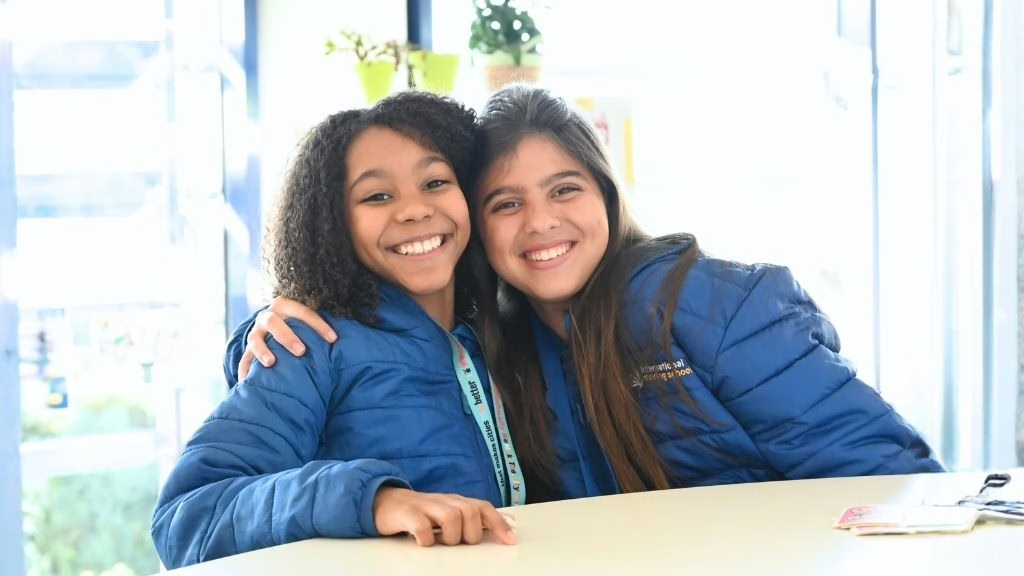
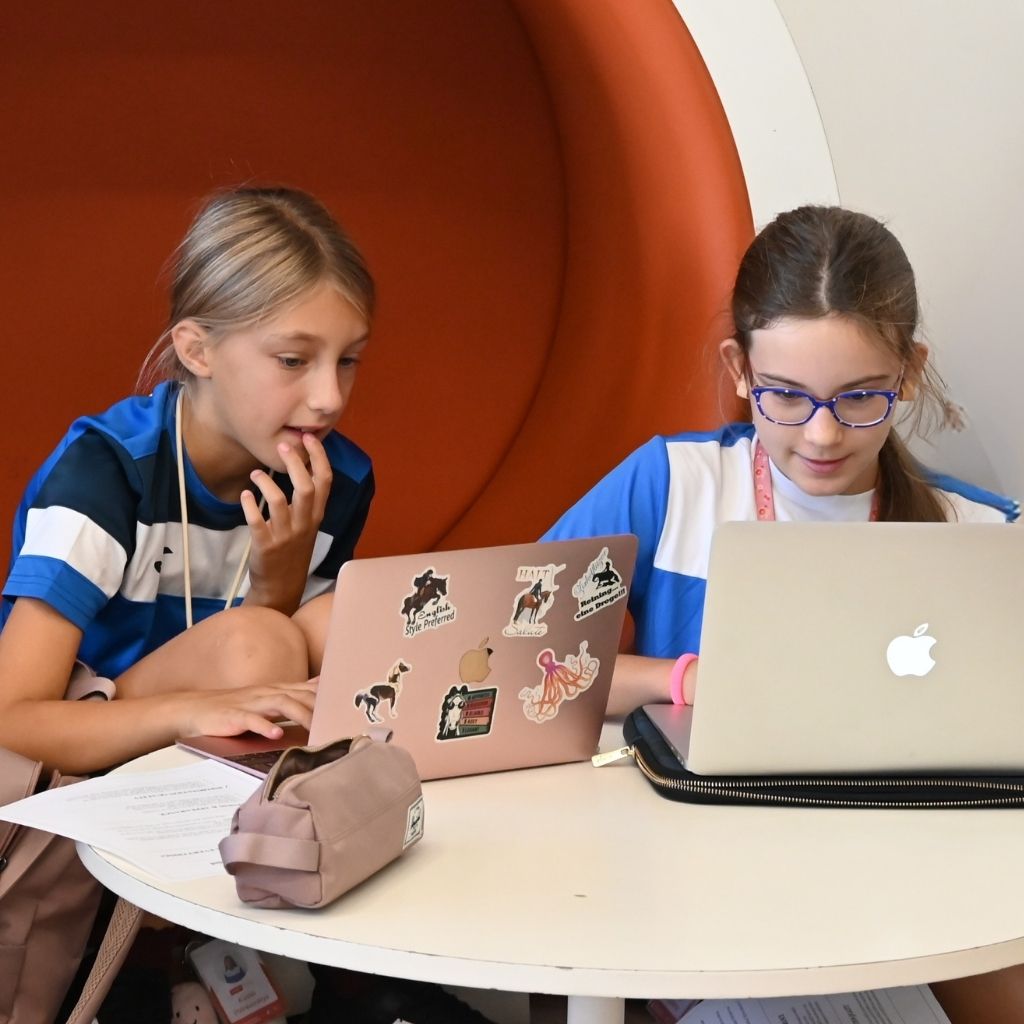
However, the trend I see rising is families who seek connection. The parents crave for involvement in the school. They want to know how they can feel that they are an important part of the school community. They also want to understand how children feel at the school. Are they happy? Do they have good friends? Is the student population diverse?
Also, the questions that nowadays make it to the top of parents’ concerns is the school’s policy on phone usage and screen time, social-emotional education and bullying. If a school doesn’t get these right, it can very quickly fall off the shortlist of the parents.
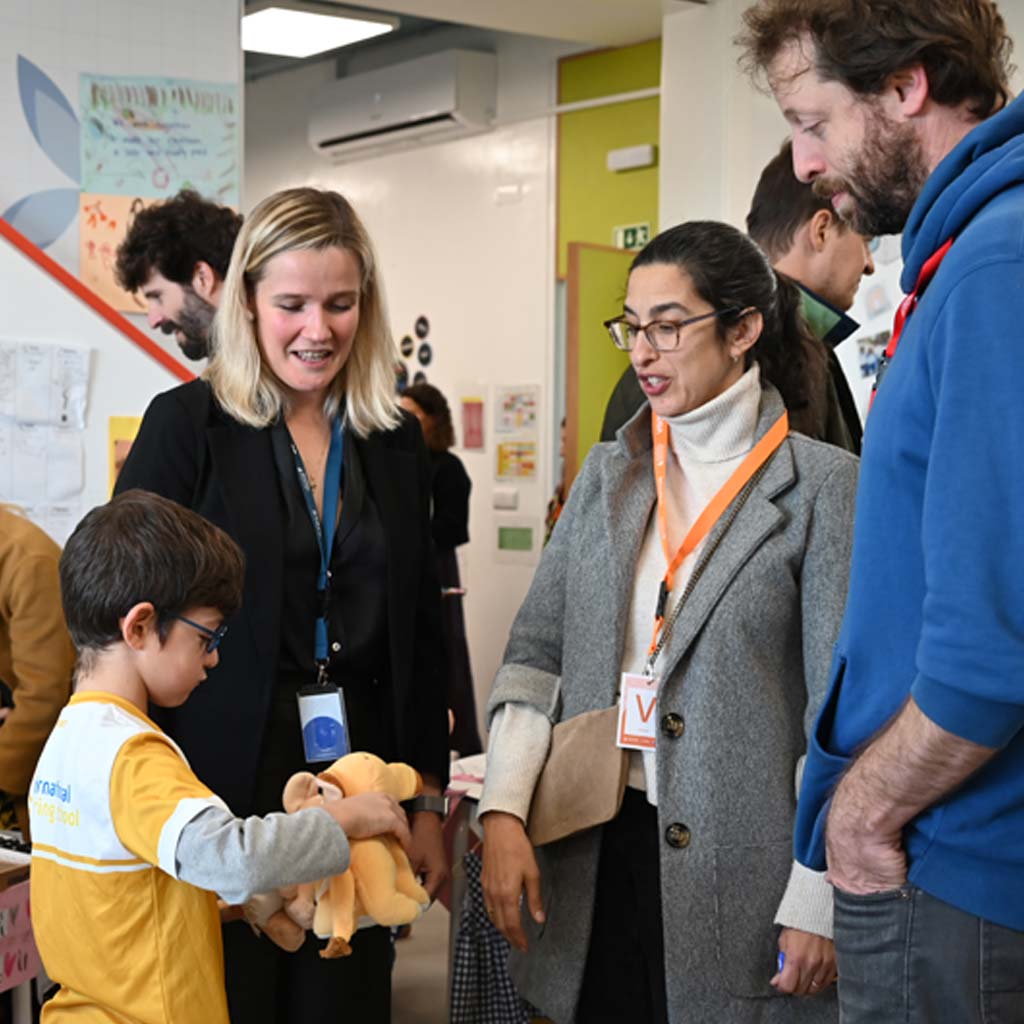
Furthermore, after a parent has visited perhaps 10 international schools, they will sit down and think which one ticks all the boxes but also, does that option feel like a good option? How were they welcomed in the school? Were they spoken to like robots by a corporate officer who provided them with a lot of statistics? Did they get a chance to speak with a member of the pedagogical team? Did they feel that the school was interested in their child(ren), rather than the parents’ pockets? Can they picture their child in that specific international school day-to-day, for the years to come, thriving?
The Generational Shift
In the end, what schools are witnessing is a change of generations in parents.
The few remaining Boomers and Gen X are being taken over by Millennials as the major audience, while the newer Gen Z parent international school community are also joining the scenery.
This is where international schools can ‘get it all wrong’ if they do not realise who they are talking to. Anything a school tells a Millennial or Gen Z parent can be, and often is, fact-checked quickly.
Also, Millennial parents have been suggested as the most burned-out generation of parents our modern society has seen (thanks to one economic downturn, a pandemic, couple of wars, the often unrealistic expectations around parenting their children, their own ageing parents and the feeling of isolation in a society where the village that their own parents had, does not exist anymore). However, they are also known as the cycle breakers and the brave ones who try to parent their children differently from how they were brought up themselves.
This is why it is very important for a Millennial parent to feel heard, supported and understood by the prospective school, just as much as they want their child(ren) to be seen, heard, supported and understood by the school. If these needs are not met, it is very likely that the facilities, location and curriculum are not enough to convince the parents to choose that specific international school.
Conclusion
International schools need to up their game to tailor their offer for the highly educated, AI-trained, peer-informed and emotionally aware generation of parents who want their children to be happy, heard and included, in an international school that offers solid facilities and prepares their children for the unknown future. The ones who do, will most likely be the ones who have the privilege of building strong communities that prepare our children for the ever-changing world.